

By Cargo Type / 01
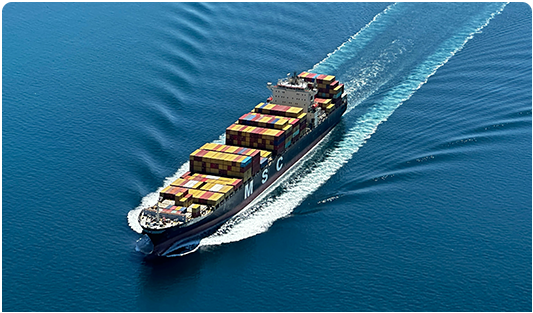
General Cargo
Plan standard commercial shipments using accurate descriptions, package dimensions, weight and delivery requirements.
Explore this solutionSOLUTIONS DIRECTORY / BY CARGO TYPE
SOLUTIONS DIRECTORY
Cargo type changes documents, acceptance and handling. Compare the categories below, then confirm the packing and route details in writing.
By Cargo Type / 01
Plan standard commercial shipments using accurate descriptions, package dimensions, weight and delivery requirements.
Explore this solution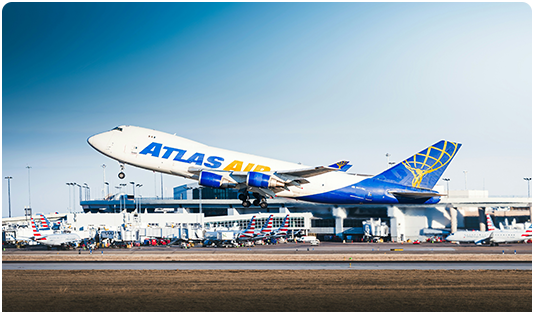
By Cargo Type / 02
Declare batteries and powered products early so documents, acceptance and suitable routes can be reviewed.
Explore this solution
By Cargo Type / 03
Identify restrictions and specialist handling requirements before collection or booking.
Explore this solution
By Cargo Type / 04
Share dimensions, gross weight, lifting points and packing information for an equipment and handling review.
Explore this solution
By Cargo Type / 05
Plan cartons, labels and receiving appointments around the actual marketplace or destination warehouse.
Explore this solutionNo solutions match your search. Try another term or category.
HOW THE GUIDES CONNECT
Start with the customer, cargo or operational problem that best explains the shipment.
Use the linked service page for freight mode, origin handling, sourcing or delivery details.
Use a country route page to review local handling and final delivery questions.
BLOG INSIGHTS
FREQUENTLY ASKED QUESTIONS
Find a clear starting answer, then confirm the right scope for your shipment.
Share the product description, supplier pickup city, destination city or address, package count, packed dimensions, gross weight, cargo ready date and the delivery tasks you want included. Flag any figures that are still estimates.
Yes. Mark dimensions and weights as estimates and ask when the amount will be reconfirmed against final packed cargo.
Compare cargo inputs, transport mode, charging unit, delivery boundary, assumptions, validity and exclusions.
Only the items explicitly included in the written quotation. Confirm duties, taxes, inspections, storage and special handling separately.
Consider cargo size, urgency, route, acceptance requirements and the complete collection-to-delivery cost and timeline.
FCL uses a container for one shipper’s cargo; LCL combines compatible shipments. Compare packed volume, handling and the full service scope.
LET’S PLAN YOUR NEXT SHIPMENT
Tell us what you are moving, where it needs to go, and what must happen along the way. We will help identify a practical starting scope.
Start with your cargo and destination; confirm services and exclusions in writing.
