

 01
01Prepare the invoice, packing list and transport documents so they agree with each other.
Discuss documentsCUSTOMS & CARGO RISK
Prepare the documents, classification and cargo information your destination requires, and confirm where responsibility sits before the shipment reaches the border.
Discuss customs supportDOCUMENTS THAT DECIDE CLEARANCE
Most clearance delays come from information that does not match across documents. Check what each one is used for before dispatch.
| Document | What it is used for | What to check |
|---|---|---|
| Commercial invoice | States value, buyer and seller for assessment | Matches the packing list and the shipment |
| Packing list | Describes packages, weights and dimensions | Counts and weights agree with the cargo |
| HS classification | Sets the duty and rule treatment | Correct code for the actual product |
| Certificate of origin | Supports origin claims where required | Issued by the recognised body |
| Product compliance | Meets destination safety or marking rules | Certificates held before dispatch |
Destination rules vary and change. Confirm current requirements with the broker or authority handling your import.
CLEARANCE & RISK AREAS
Work through documents, classification, restricted goods and transit risk before the cargo reaches the border.
01Prepare the invoice, packing list and transport documents so they agree with each other.
Discuss documents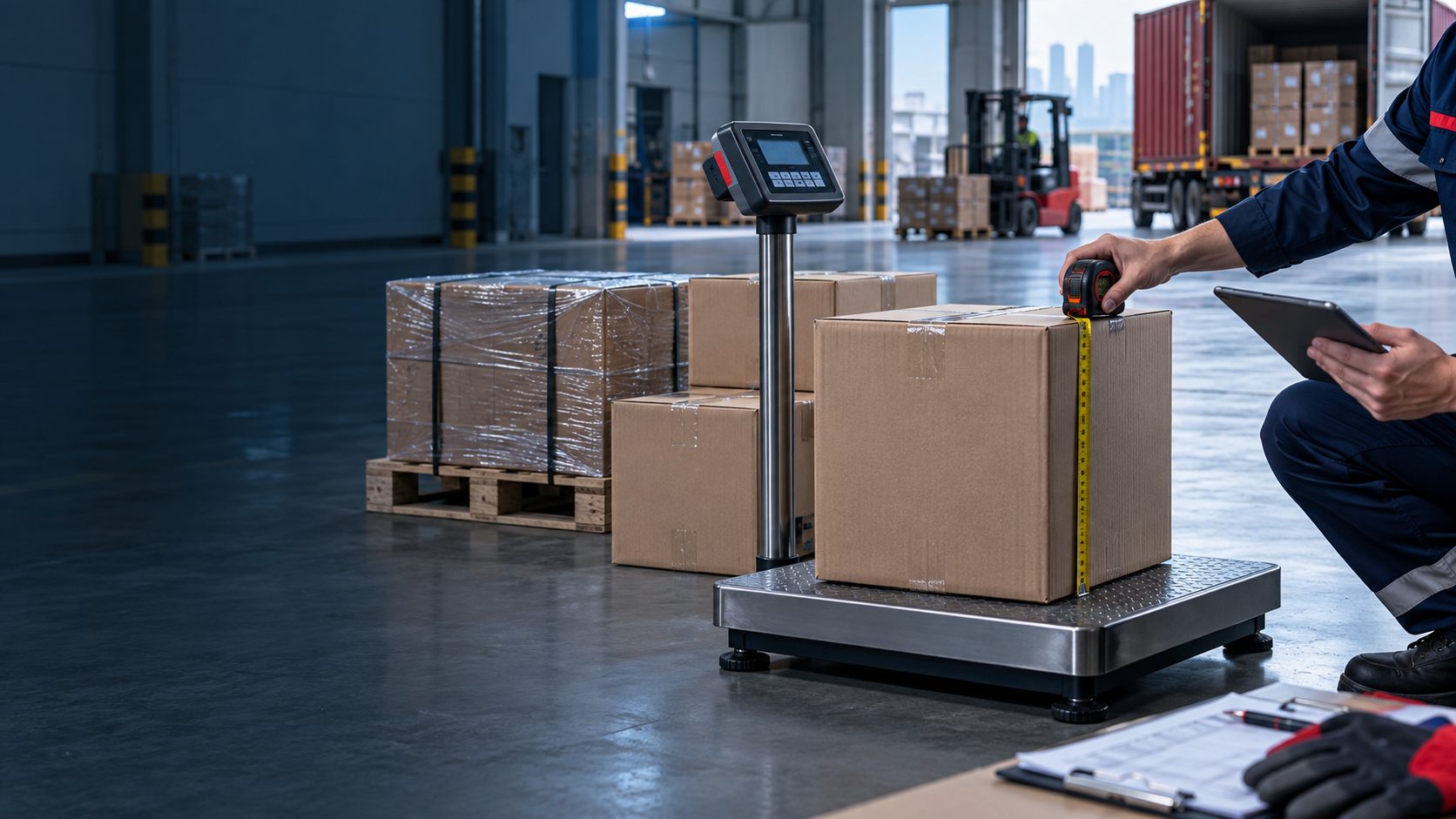 02
02Agree the classification before the entry is prepared, not after.
Discuss classification 03
03Check acceptance rules and product restrictions before the cargo is offered.
Explore cargo solutions 04
04Understand what transit cover is available and what it excludes.
Discuss cargo risk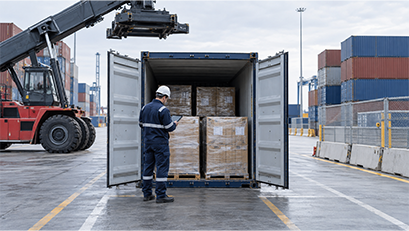 05
05Plan the timeline and the charges that follow an inspection or a hold.
Discuss clearance planningSHIPPING FROM CHINA
Explore destination-specific shipping options, preparation requirements and delivery considerations.
Route availability, cargo acceptance, transit estimates and delivery scope are confirmed per shipment. Destination pages describe service options, not locally owned offices.
View all destinationsGet a freight quoteFULL SERVICE SOLUTIONS

BUILT AROUND YOUR COMPLIANCE
Prepare the product documents and handling rules that restricted or battery cargo needs before it is booked.
Explore cargo solutionsCLEARANCE KNOWLEDGE
Prepare the invoice, packing list and transport documents so they agree.
Explore resourcesUnderstand how classification affects duty and rule treatment.
Explore resourcesCheck acceptance rules before cargo is offered to a carrier.
Explore resourcesGLOBAL BRANDS










BLOG INSIGHTS
FREQUENTLY ASKED QUESTIONS
Start from the documents and the product, then confirm the destination rules that apply.
Share the product description, supplier pickup city, destination city or address, package count, packed dimensions, gross weight, cargo ready date and the delivery tasks you want included. Flag any figures that are still estimates.
Yes. Mark dimensions and weights as estimates and ask when the amount will be reconfirmed against final packed cargo.
Compare cargo inputs, transport mode, charging unit, delivery boundary, assumptions, validity and exclusions.
Only the items explicitly included in the written quotation. Confirm duties, taxes, inspections, storage and special handling separately.
Consider cargo size, urgency, route, acceptance requirements and the complete collection-to-delivery cost and timeline.
FCL uses a container for one shipper’s cargo; LCL combines compatible shipments. Compare packed volume, handling and the full service scope.
LET’S PLAN YOUR NEXT SHIPMENT
Share the product, the destination and the documents you already have. We will come back with what needs to be prepared before dispatch.
Not sure which documents apply? Select “Help me choose” and start with the cargo details.